


 Español
 Portugues
 Pусский
 العربية
Smart Agriculture Platform
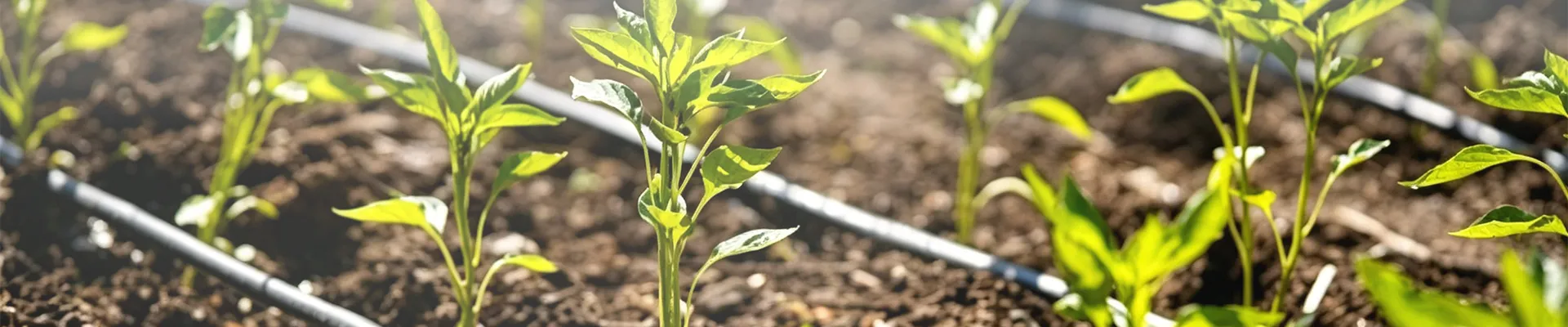
A Smart Agriculture Platform is a digital solution designed to improve farming efficiency, productivity, and sustainability through the use of modern technologies such as the Internet of Things, artificial intelligence, cloud computing, data analytics, and remote sensing. It connects farmland, equipment, environmental data, and management systems into one integrated network, allowing farmers and agricultural managers to make more accurate and timely decisions.At the core of such a platform is real-time monitoring. Sensors placed in fields, greenhouses, irrigation systems, and livestock areas can collect information about soil moisture, temperature, humidity, light intensity, nutrient levels, and crop or animal conditions. This data is transmitted to a central system where it is analyzed and displayed in easy-to-understand dashboards. By having access to real-time and historical data, users can quickly identify problems such as water shortage, disease risk, pest infestation, or equipment failure.Another important function is intelligent decision support. Using artificial intelligence and big data analysis, the platform can predict crop growth trends, recommend the best time for planting, fertilizing, irrigation, and harvesting, and suggest actions to reduce waste and improve yield. For example, if the system detects low soil moisture and forecasts high temperatures, it can automatically recommend or trigger irrigation. This helps reduce manual labor and ensures that resources are used only when needed.The platform also supports precision agriculture. Instead of applying the same treatment across an entire field, farmers can manage different areas according to their specific needs. This targeted approach helps optimize water use, fertilizer application, pesticide spraying, and energy consumption. As a result, crop quality improves while environmental impact decreases. Precision management is especially valuable in large-scale farming operations where traditional methods may be inefficient.In addition, a Smart Agriculture Platform often includes remote management capabilities. Users can monitor farmland through mobile devices or computers, control smart irrigation equipment, and receive alerts when abnormal conditions occur. This is particularly useful for farms located in remote areas or for managers who oversee multiple sites. The ability to act quickly can prevent losses and improve overall operational stability.Traceability is another key advantage. The platform can record the full production process, from seed selection and field preparation to cultivation, harvesting, storage, and transportation. This creates a transparent supply chain and helps ensure food safety and quality control. Consumers and buyers can gain confidence in the origin and handling of agricultural products.Overall, a Smart Agriculture Platform transforms traditional farming into a more intelligent, data-driven, and sustainable model. It helps increase yield, reduce costs, conserve resources, and support long-term agricultural development. As technology continues to evolve, such platforms will play an increasingly important role in building a more efficient and resilient agricultural system.
Products
Category:
No search results found!
News
Category:
No search results found!
Case
Category:
No search results found!
Video
Category:
No search results found!
Download
Category:
No search results found!
Job
Category:
No search results found!
Featured Products
No search results found!




 WhatsApp
 Phone
Phone