


 Español
 Portugues
 Pусский
 العربية
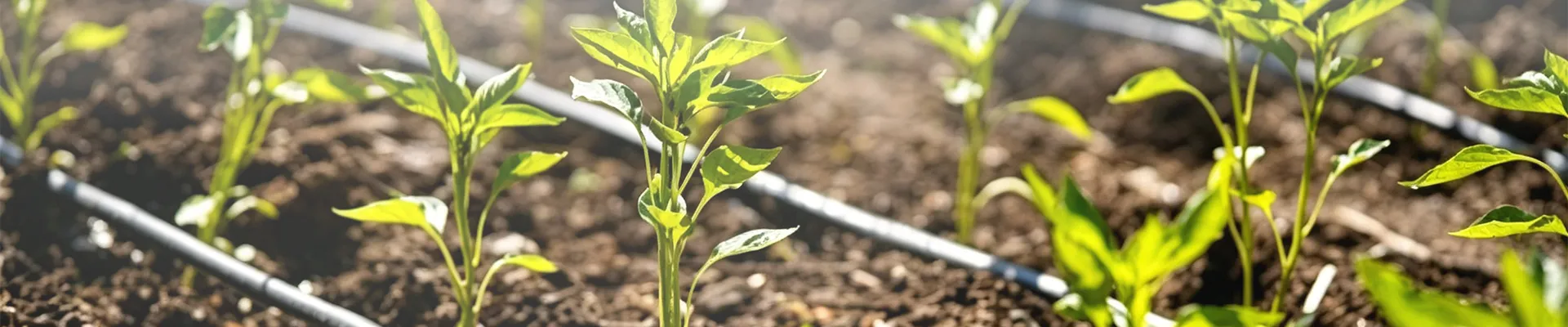
Irrigation valve
Sure — here is a 500-word English description of an irrigation valve without any company name:---An irrigation valve is an essential component in modern watering systems, designed to control the flow of water to different areas of a landscape, farm, garden, or greenhouse. It acts as a gate that opens and closes to regulate when and where water is delivered. By dividing a system into separate zones, an irrigation valve helps ensure efficient water use, consistent coverage, and better overall plant health.Irrigation valves are commonly used in automatic sprinkler systems, drip irrigation systems, and agricultural irrigation networks. They can be operated manually or automatically, depending on the needs of the system. In automatic setups, the valve is connected to a controller or timer, which sends signals to open or close the valve at scheduled times. This allows for precise watering without constant human supervision, saving time and labor.Most irrigation valves are made from durable materials such as plastic, brass, or stainless steel. Plastic valves are lightweight, corrosion-resistant, and widely used in residential systems. Brass valves are known for their strength and long service life, making them suitable for demanding environments. The internal parts of the valve are designed to withstand water pressure, dirt, and long-term outdoor exposure. A typical irrigation valve includes a body, diaphragm, solenoid, spring, and inlet and outlet ports. The solenoid is especially important in automatic valves because it converts electrical signals into mechanical motion, allowing the valve to operate efficiently.One of the main advantages of an irrigation valve is water conservation. By controlling water distribution precisely, it reduces waste and prevents overwatering. Different zones can receive different amounts of water based on soil type, plant type, sunlight, and weather conditions. This improves irrigation efficiency and supports healthy plant growth. In agricultural applications, irrigation valves help farmers manage large areas more effectively, ensuring crops receive the right amount of water at the right time.Irrigation valves also contribute to system safety and reliability. They can prevent backflow, maintain pressure balance, and protect pipes and sprinklers from damage. In advanced systems, smart valves may work with sensors and weather data to adjust watering automatically. These features make irrigation systems more adaptable and environmentally friendly.Maintenance of irrigation valves is important for long-term performance. Regular inspection helps identify issues such as leaks, clogging, electrical faults, or worn diaphragms. Cleaning the valve and checking the seals can extend its lifespan and prevent system failures. Proper installation is also critical to ensure smooth operation and correct water flow.In summary, an irrigation valve is a vital control device in any watering system. It improves efficiency, supports plant health, reduces water consumption, and makes irrigation easier to manage. Whether used in home gardens or large-scale farming, irrigation valves play an important role in delivering water accurately and reliably.---If you want, I can also make it:1. more professional2. more simple and easy to understand3. for product listing / website use
Products
Category:
No search results found!
News
Category:
No search results found!
Case
Category:
No search results found!
Video
Category:
No search results found!
Download
Category:
No search results found!
Job
Category:
No search results found!
Featured Products
No search results found!




 WhatsApp
 Phone
Phone