


 Español
 Portugues
 Pусский
 العربية
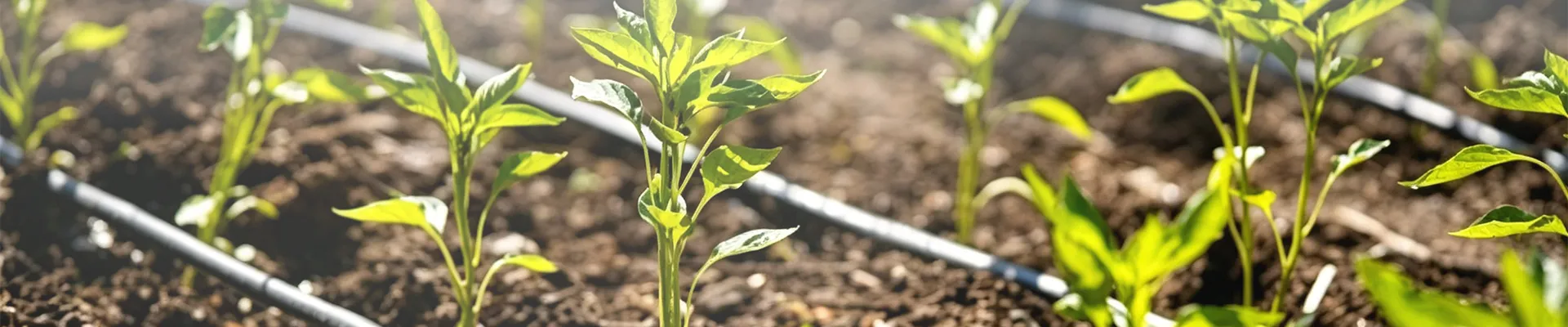
Irrigation system design
An irrigation system design is the process of planning and arranging equipment and methods to deliver the right amount of water to plants, crops, lawns, or landscapes at the right time. A good design helps improve plant growth, save water, reduce labor, and support long-term sustainability. It should be based on the type of land, climate, soil conditions, water source, and the needs of the plants.The first step in irrigation system design is site analysis. This includes measuring the area, studying the slope of the land, checking soil texture, and identifying plant zones. Different plants need different amounts of water, so it is important to divide the area into separate irrigation zones. For example, flower beds, grass areas, and trees may require different watering schedules and different equipment.Next, the water source must be evaluated. The designer should know the available water pressure, water flow rate, and water quality. These factors affect the choice of pipes, valves, pumps, sprinklers, drip lines, and filters. If the water pressure is too low, a pump may be needed. If the water contains dirt or particles, filtration is essential to prevent clogging.There are several common irrigation methods. Drip irrigation is efficient because it delivers water directly to the root zone with minimal waste. It is often used for gardens, trees, and crops. Sprinkler irrigation is suitable for larger lawns and open areas because it spreads water over a wide surface. Surface irrigation is simpler but less efficient, and it is usually used in agricultural fields where water flows across the land. The best method depends on the purpose of the project and the local conditions.A complete irrigation design also includes piping layout, control systems, and scheduling. Pipes should be placed in a way that reduces pressure loss and makes maintenance easier. Valves and controllers allow users to operate different zones independently and automate watering times. Smart controllers can adjust watering based on weather, soil moisture, or seasonal changes. This improves efficiency and prevents overwatering.Proper design also considers drainage and safety. Too much water can cause soil erosion, root damage, or waterlogging. Therefore, the system should be designed to match the landscape’s absorption capacity. In addition, underground pipes should be installed at the correct depth to avoid damage and allow easy repairs.In conclusion, irrigation system design is an important part of landscape and agricultural planning. A well-designed system can conserve water, support healthy plant development, and lower operating costs. By studying the site carefully and choosing the right equipment and layout, an efficient and reliable irrigation system can be created.
Products
Category:
No search results found!
News
Category:
No search results found!
Case
Category:
No search results found!
Video
Category:
No search results found!
Download
Category:
No search results found!
Job
Category:
No search results found!
Featured Products
No search results found!




 WhatsApp
 Phone
Phone