


 Español
 Portugues
 Pусский
 العربية
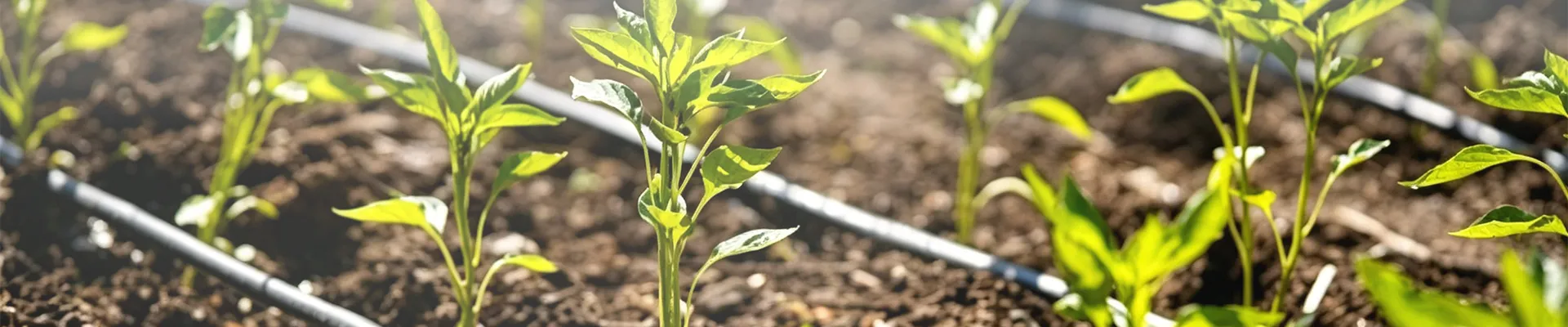
garden irrigation system
A garden irrigation system is a practical and efficient solution for keeping plants healthy, saving water, and reducing the time and effort needed for manual watering. It is designed to deliver the right amount of water to lawns, flower beds, shrubs, vegetables, and trees in a controlled and consistent way. Whether the garden is small or large, an irrigation system can help maintain better plant growth and improve the overall appearance of the landscape.There are several common types of garden irrigation systems. One of the most widely used is the drip irrigation system. This system delivers water slowly and directly to the root zone of plants through a network of tubes and emitters. It is highly efficient because it reduces water loss from evaporation and runoff. Drip irrigation is especially suitable for flower beds, vegetable gardens, and potted plants. Another common type is the sprinkler system, which sprays water over a larger area. Sprinklers are often used for lawns and open garden spaces because they can cover a wide section evenly. Some gardens also use soaker hoses, which allow water to seep gradually through the hose material and into the soil.A good irrigation system offers many benefits. First, it helps plants receive a steady supply of moisture, which is essential for healthy growth. Too little water can cause plants to wilt or die, while too much water can lead to root rot and other problems. An irrigation system makes it easier to avoid these issues by providing water in a measured way. Second, it saves time. Instead of watering each plant by hand, the system can operate automatically or with minimal supervision. Third, it conserves water. Because the water is directed exactly where it is needed, less water is wasted compared with traditional watering methods.Modern irrigation systems can be customized to fit different garden layouts and plant needs. Timers, moisture sensors, and adjustable nozzles can be added to improve performance. Timers allow watering to happen at specific times of day, such as early morning or evening, when evaporation is lower. Moisture sensors detect the level of water in the soil and prevent overwatering. Adjustable nozzles make it possible to control the spray pattern and water pressure for different areas of the garden.Installing and maintaining a garden irrigation system requires some planning. The layout should consider the size of the garden, the types of plants, soil conditions, and local climate. Regular maintenance is also important. Pipes, hoses, and emitters should be checked for leaks, blockages, or damage. Filters may need cleaning, and sprinkler heads should be adjusted to ensure proper coverage. In colder regions, the system may need to be drained before winter to prevent freezing damage.In conclusion, a garden irrigation system is an effective way to support plant health, reduce water waste, and make gardening easier. With the right design and maintenance, it can provide long-term benefits and help create a beautiful, thriving garden.
Products
Category:
No search results found!
News
Category:
No search results found!
Case
Category:
No search results found!
Video
Category:
No search results found!
Download
Category:
No search results found!
Job
Category:
No search results found!
Featured Products
No search results found!




 WhatsApp
 Phone
Phone