


 Español
 Portugues
 Pусский
 العربية
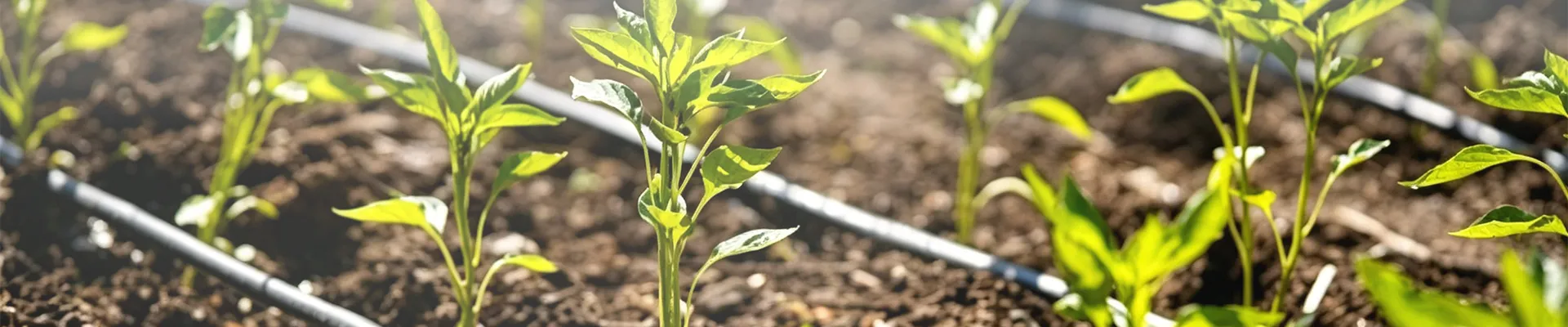
complete irrigation system
A complete irrigation system is an integrated set of equipment and components designed to deliver water efficiently to crops, lawns, gardens, or landscaped areas. Its purpose is to provide plants with the right amount of water at the right time while reducing waste, saving labor, and improving growth quality. A well-designed irrigation system can be used in farms, greenhouses, parks, residential gardens, and commercial landscapes.The main parts of a complete irrigation system usually include a water source, pumping unit, filtration device, pipes, valves, controllers, and sprinklers or drip emitters. The water source may come from a well, river, reservoir, tank, or municipal supply. If the water pressure is not sufficient, a pump is used to move water through the system. Filtration is very important because it removes sand, dirt, and other particles that could block pipes or nozzles.Pipes form the network that carries water from the source to different areas. These pipes may be made of plastic or other durable materials depending on the pressure and application. Valves help control the flow of water and divide the system into zones. This allows different areas to receive water separately and makes the system more flexible and efficient. Controllers or timers automate the watering schedule, making it easier to irrigate at specific times and durations without manual operation.There are several types of irrigation methods used in complete systems. Drip irrigation delivers water slowly and directly to the root zone of each plant. It is highly efficient and ideal for vegetables, orchards, and flower beds. Sprinkler irrigation sprays water over a wide area and is commonly used for lawns, fields, and open landscapes. Micro-irrigation and misting systems are also used in special environments such as nurseries and greenhouses. The choice of method depends on crop type, soil conditions, climate, and water availability.A complete irrigation system offers many advantages. It improves water use efficiency by minimizing evaporation and runoff. It also promotes healthier plants by supplying consistent moisture. In agriculture, it can increase crop yield and reduce dependence on rainfall. In landscaping, it helps maintain a green and attractive appearance. Automation saves time and reduces manual labor, while proper scheduling prevents overwatering and underwatering.In addition, modern irrigation systems may include sensors that measure soil moisture, rainfall, temperature, or water pressure. These sensors help the system adjust watering based on actual conditions. As a result, irrigation becomes smarter, more accurate, and more sustainable.In conclusion, a complete irrigation system is an essential tool for effective water management. By combining water supply, control equipment, and delivery devices, it ensures efficient watering and supports healthy plant growth in a wide range of applications.
Products
Category:
No search results found!
News
Category:
No search results found!
Case
Category:
No search results found!
Video
Category:
No search results found!
Download
Category:
No search results found!
Job
Category:
No search results found!
Featured Products
No search results found!




 WhatsApp
 Phone
Phone