


 Español
 Portugues
 Pусский
 العربية
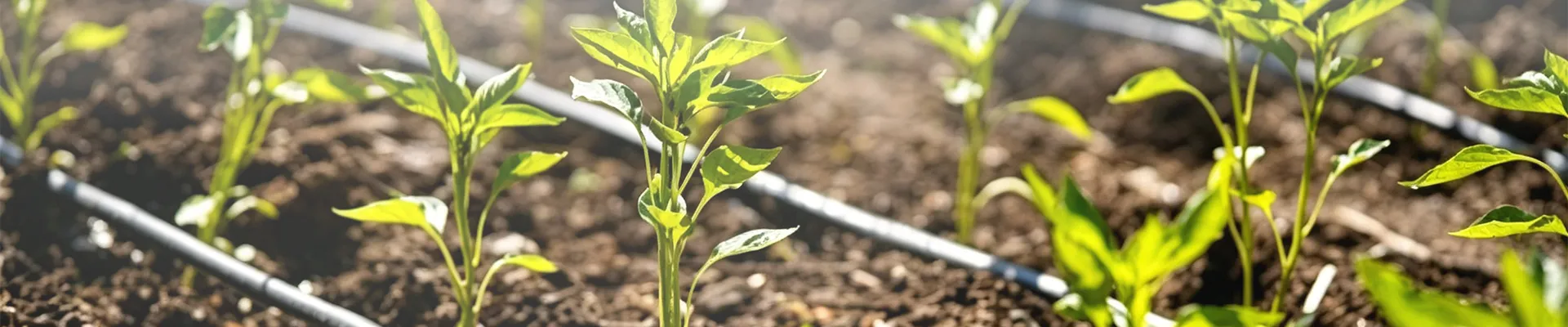
Water saving irrigation system
A water-saving irrigation system is a modern agricultural solution designed to use water more efficiently while supporting healthy plant growth. It delivers water directly to crops in a controlled and targeted way, reducing waste and improving productivity. In many regions, water scarcity has become a serious problem, so this kind of system is increasingly important for farms, gardens, greenhouses, and landscaping projects.The basic idea of a water-saving irrigation system is to supply only the amount of water that plants need, when they need it. Unlike traditional flood or spray irrigation, which often leads to evaporation, runoff, and uneven watering, water-saving systems minimize loss. One of the most common forms is drip irrigation, where water flows slowly through pipes and is released near the roots of each plant. This method allows the soil to absorb water more effectively and helps prevent overwatering.Another common type is micro-sprinkler irrigation, which uses small nozzles to distribute water in a fine and controlled pattern. It is often used in orchards, flower fields, and vegetable gardens. In addition, smart irrigation systems can include sensors, timers, and automatic controllers. These technologies measure soil moisture, weather conditions, and plant needs, then adjust watering schedules accordingly. This makes irrigation more precise and reduces unnecessary water use.Water-saving irrigation systems offer many benefits. First, they help conserve water, which is essential in dry areas and during periods of drought. Second, they can lower energy costs because less water needs to be pumped and distributed. Third, they improve crop quality by providing stable moisture levels, which supports healthier roots and better growth. Fourth, they reduce weed growth since water is delivered only to desired plants rather than to the entire field.These systems also help protect the environment. By reducing water runoff, they can limit soil erosion and prevent fertilizers and chemicals from being washed into rivers or groundwater. This makes agriculture more sustainable and environmentally friendly. Farmers and gardeners can also save time and labor because automated systems reduce the need for manual watering.In conclusion, a water-saving irrigation system is an efficient, practical, and sustainable way to manage water use. It supports plant health, conserves natural resources, and improves long-term agricultural results. As water resources become more limited, such systems will play an even more important role in modern farming and landscaping.
Products
Category:
No search results found!
News
Category:
No search results found!
Case
Category:
No search results found!
Video
Category:
No search results found!
Download
Category:
No search results found!
Job
Category:
No search results found!
Featured Products
No search results found!




 WhatsApp
 Phone
Phone