


 Español
 Portugues
 Pусский
 العربية
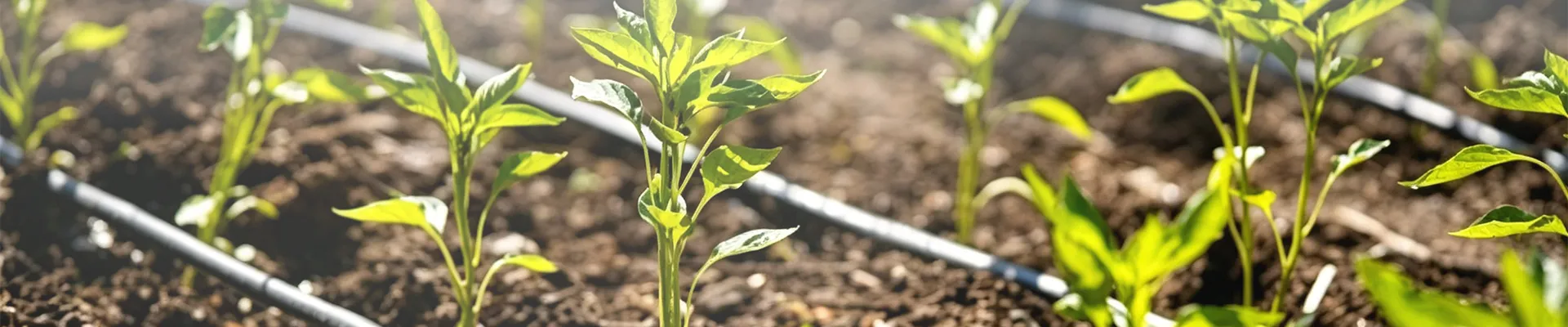
smart irrigation system
A smart irrigation system is an advanced water management solution designed to deliver the right amount of water to crops, gardens, lawns, or landscapes at the right time. Unlike traditional irrigation methods that rely on fixed schedules or manual operation, a smart irrigation system uses sensors, data analysis, and automated controls to adjust watering based on real environmental conditions. This helps improve plant health, reduce water waste, and lower operating costs.The core idea of a smart irrigation system is precision. It collects information from soil moisture sensors, weather data, temperature readings, humidity levels, and sometimes sunlight intensity or rainfall forecasts. By analyzing this information, the system can determine whether irrigation is necessary and how much water should be applied. For example, if the soil already contains enough moisture after a rainstorm, the system can postpone watering automatically. If the weather is hot and dry, it can increase irrigation to prevent plant stress.A smart irrigation system usually includes several key components. First, there are sensors placed in the soil or environment to measure moisture and other conditions. Second, a controller processes the sensor data and makes watering decisions. Third, solenoid valves or pumps release water to specific zones when needed. In many systems, users can also access a mobile app or web interface to monitor performance, adjust settings, and receive alerts. This remote control feature makes irrigation more convenient and efficient.One major advantage of smart irrigation is water conservation. In many regions, water is a limited resource, and inefficient irrigation can lead to significant waste. Overwatering not only wastes water but can also damage plants by causing root rot, nutrient loss, and disease. Smart irrigation helps solve these problems by supplying only the amount of water required. This can lead to healthier vegetation and a more sustainable landscape.Another benefit is improved productivity. In agriculture, consistent and accurate watering supports stronger crop growth and better yields. Farmers can reduce manual labor and make more informed decisions based on real-time data. For residential and commercial landscapes, smart irrigation keeps lawns and gardens attractive while minimizing maintenance. It also reduces the risk of human error, such as forgetting to water or watering at the wrong time of day.Smart irrigation systems are also adaptable. They can be used in small home gardens, large farms, greenhouses, parks, and sports fields. Some systems are designed to work with drip irrigation, sprinklers, or micro-irrigation methods, depending on the needs of the area. Advanced systems may even learn from historical data and improve their watering recommendations over time.Overall, a smart irrigation system represents a modern and sustainable approach to watering management. By combining technology with environmental awareness, it helps conserve water, support plant health, and simplify irrigation tasks. As climate conditions become more unpredictable and water resources more valuable, smart irrigation will continue to play an important role in efficient land and crop management.
Products
Category:
No search results found!
News
Category:
No search results found!
Case
Category:
No search results found!
Video
Category:
No search results found!
Download
Category:
No search results found!
Job
Category:
No search results found!
Featured Products
No search results found!




 WhatsApp
 Phone
Phone