


 Español
 Portugues
 Pусский
 العربية
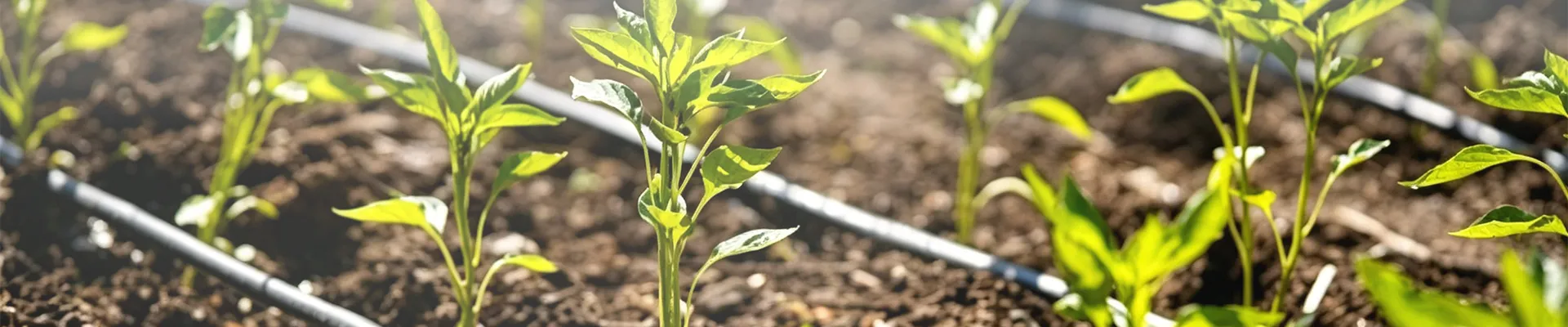
Irrigation project contractor
An irrigation project contractor is a professional or organization responsible for planning, installing, and maintaining irrigation systems that supply water efficiently to agricultural land, landscapes, public parks, sports fields, and other areas requiring controlled watering. The contractor plays an important role in ensuring that water is distributed in a reliable, sustainable, and cost-effective manner. By designing and constructing irrigation systems according to site conditions, water availability, and project requirements, the contractor helps improve plant growth, conserve water, and support long-term land productivity.The work of an irrigation project contractor typically begins with a site assessment. This involves studying the terrain, soil type, water source, climate conditions, and the specific needs of the area to be irrigated. Based on this information, the contractor develops a suitable irrigation plan that may include drip irrigation, sprinkler systems, pivot systems, surface irrigation, or a combination of methods. The goal is to choose the most efficient solution for delivering water while minimizing waste and operational costs.After the planning stage, the contractor is responsible for procurement and installation of system components. This includes pipes, pumps, valves, control panels, filters, emitters, sprinklers, reservoirs, and related accessories. The contractor must ensure that all materials meet technical standards and are installed correctly to avoid leaks, pressure loss, uneven water distribution, and future maintenance problems. Proper installation requires technical skill, accurate measurement, and coordination with other site activities.An irrigation project contractor also manages project scheduling, labor, equipment, and safety procedures. The contractor must complete the project within the agreed timeline and budget while maintaining quality standards. During construction, attention to safety is essential, especially when using heavy machinery, electrical systems, and excavation tools. Effective project management helps ensure smooth execution and client satisfaction.In addition to installation, many contractors provide testing, commissioning, and maintenance services. Testing ensures that the irrigation system operates correctly, with proper pressure, flow rate, and coverage. Maintenance may include cleaning filters, repairing damaged lines, replacing worn parts, adjusting controllers, and upgrading equipment when necessary. Regular maintenance extends system life and improves performance over time.An irrigation project contractor must have knowledge of hydraulics, soil science, water management, and modern irrigation technologies. Strong problem-solving skills, technical experience, and the ability to adapt to different environments are also essential. In many cases, the contractor works closely with engineers, agricultural specialists, landscape designers, and property owners to achieve the best results.Overall, an irrigation project contractor provides an essential service that supports agriculture, landscaping, and environmental management. Through careful planning, professional installation, and ongoing maintenance, the contractor helps ensure efficient water use and healthy plant development.
Products
Category:
No search results found!
News
Category:
No search results found!
Case
Category:
No search results found!
Video
Category:
No search results found!
Download
Category:
No search results found!
Job
Category:
No search results found!
Featured Products
No search results found!




 WhatsApp
 Phone
Phone