


 Español
 Portugues
 Pусский
 العربية
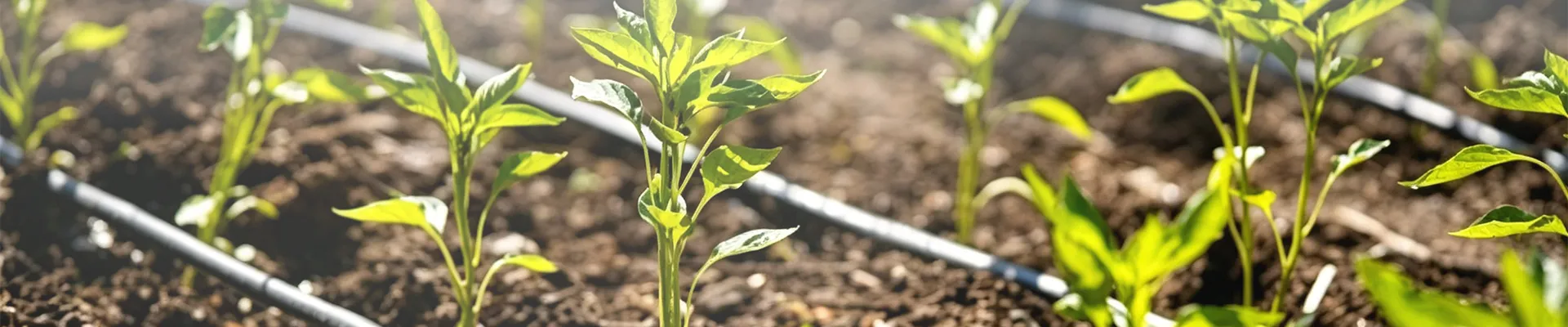
Irrigation filter
An irrigation filter is an essential component in modern agricultural and landscape watering systems. Its main function is to remove dirt, sand, rust, organic matter, and other suspended particles from water before it enters pipes, sprinklers, drip lines, or micro-irrigation emitters. By cleaning the water, the filter helps prevent blockages, reduces wear on equipment, and supports the efficient operation of the entire irrigation system.In many irrigation applications, water comes from sources such as wells, rivers, ponds, reservoirs, or recycled water. These sources often contain impurities that can damage sensitive irrigation equipment. Even small particles can accumulate inside nozzles or emitters, leading to uneven water distribution and reduced crop performance. An irrigation filter solves this problem by trapping contaminants and allowing only clean water to pass through the system.There are several common types of irrigation filters, each designed for different conditions. Screen filters use a mesh screen to capture particles and are often suitable for systems with relatively clean water. Disc filters use a stack of grooved discs that create multiple filtration paths, providing effective filtration and easy cleaning. Sand media filters are widely used for water containing high levels of organic material, algae, or fine suspended solids. These filters force water through layers of sand or similar media, which trap debris efficiently. The choice of filter depends on the water quality, system pressure, flow rate, and the specific irrigation method being used.An irrigation filter offers many benefits. First, it helps maintain consistent water flow throughout the system. Second, it extends the service life of pumps, valves, emitters, and sprinklers by reducing internal damage and clogging. Third, it lowers maintenance costs and saves time by minimizing the need for frequent repairs and cleaning. Fourth, it improves irrigation uniformity, which is especially important for crop growth, fertilizer distribution, and water conservation.Proper filter selection and maintenance are important for achieving the best results. The filter must match the system capacity and the level of contamination in the water. Regular inspection and cleaning are necessary to keep the filter working efficiently. In some systems, automatic backwashing can remove trapped debris without manual intervention, making operation easier and more reliable.Today, irrigation filters are used in agriculture, greenhouses, orchards, vineyards, lawns, golf courses, and landscape projects. As water conservation becomes increasingly important, reliable filtration plays a key role in making irrigation systems more efficient and sustainable. A well-chosen irrigation filter not only protects equipment but also supports healthier plant growth and better resource management.If you want, I can also rewrite this in a more technical, marketing, or SEO-friendly style.
Products
Category:
No search results found!
News
Category:
No search results found!
Case
Category:
No search results found!
Video
Category:
No search results found!
Download
Category:
No search results found!
Job
Category:
No search results found!
Featured Products
No search results found!




 WhatsApp
 Phone
Phone