


 Español
 Portugues
 Pусский
 العربية
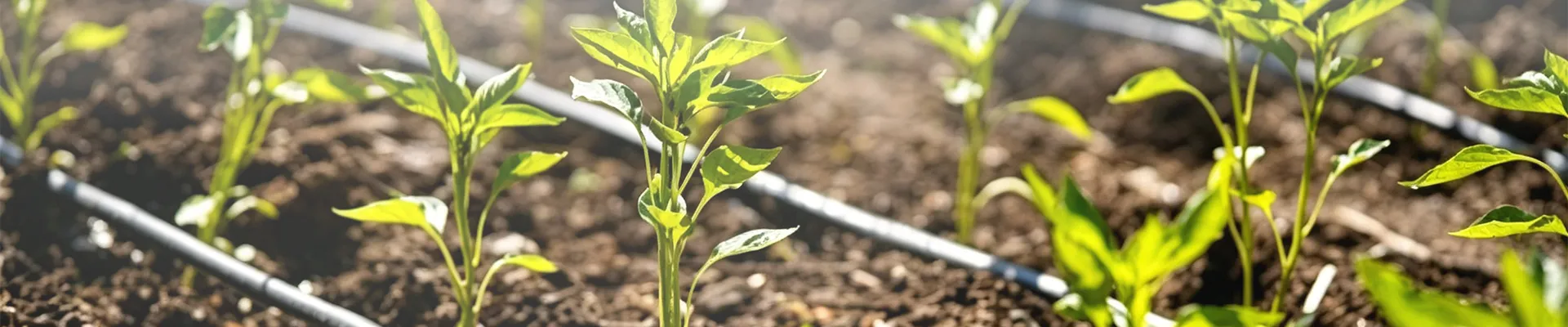
Farm irrigation system
A farm irrigation system is an essential agricultural setup designed to supply water to crops in a controlled and efficient way. Its main purpose is to provide plants with the right amount of moisture at the right time, especially when rainfall is insufficient or irregular. By ensuring a steady water supply, irrigation helps improve crop growth, increase yield, and reduce the risk of drought stress. It is widely used in fields, orchards, greenhouses, and pastures, and it plays a vital role in modern farming.There are several common types of farm irrigation systems. One traditional method is surface irrigation, where water flows across the land by gravity. This includes furrow irrigation and flood irrigation. Although simple and low in cost, it may waste water if not managed carefully. Another widely used method is sprinkler irrigation, which distributes water through pipes and sprays it over the crops like natural rain. This system is suitable for many types of farmland because it can cover large areas and is relatively easy to control. Drip irrigation is another highly efficient method. In this system, water is delivered slowly and directly to the plant roots through tubes and emitters. It reduces evaporation and runoff, making it one of the best choices for saving water. In some large-scale farms, pivot irrigation systems are also used. These systems rotate around a central point and water crops in a circular pattern.A well-designed irrigation system usually includes several important parts. These may include a water source such as a river, well, reservoir, or tank; a pump to move water; pipelines or channels to transport it; filters to remove debris; valves to control flow; and sprinklers or drip emitters to distribute water. Some advanced systems also include sensors, timers, and automatic controllers. These technologies help farmers monitor soil moisture and apply water only when needed. As a result, water use becomes more precise and efficient.Farm irrigation offers many benefits. It supports healthy plant development, increases agricultural productivity, and allows farmers to grow crops in dry or semi-dry regions. It also helps protect crops during critical growth stages. However, irrigation must be managed properly. Too much water can cause root damage, soil erosion, nutrient loss, and wasted resources. Poor drainage may also lead to salinization, which reduces soil quality over time. Therefore, farmers need to choose the right irrigation method based on crop type, climate, soil condition, and water availability.In conclusion, a farm irrigation system is a key part of successful agriculture. It helps farmers use water more effectively, improve crop performance, and maintain stable food production. With careful planning and modern technology, irrigation can support sustainable farming and make better use of limited water resources.
Products
Category:
No search results found!
News
Category:
No search results found!
Case
Category:
No search results found!
Video
Category:
No search results found!
Download
Category:
No search results found!
Job
Category:
No search results found!
Featured Products
No search results found!




 WhatsApp
 Phone
Phone