


 Español
 Portugues
 Pусский
 العربية
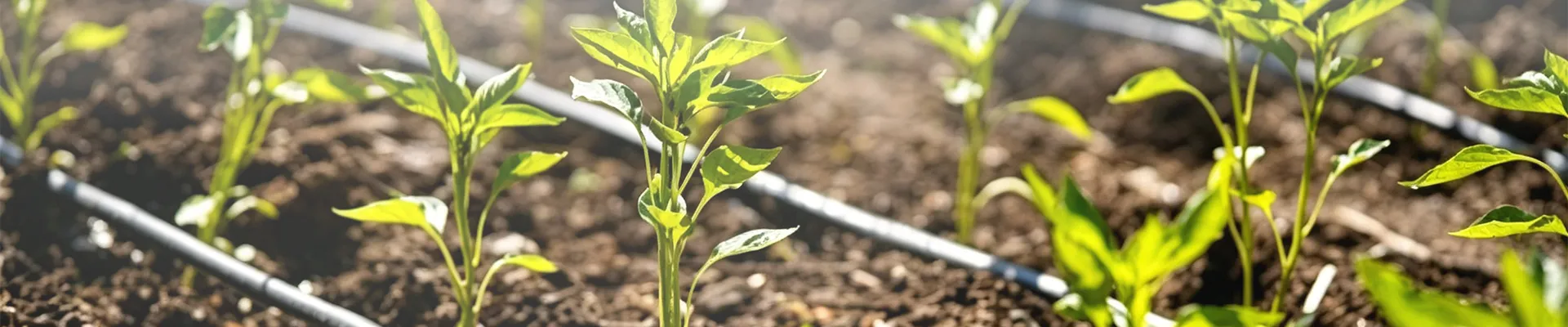
Agricultural irrigation system
An agricultural irrigation system is a vital infrastructure used to supply water to crops in a controlled and efficient manner. It plays an essential role in modern farming, especially in regions where natural rainfall is insufficient, irregular, or poorly distributed throughout the growing season. By delivering water directly to the root zone or across cultivated land, irrigation systems help maintain healthy plant growth, improve crop yields, and support stable agricultural production.There are several common types of agricultural irrigation systems. Surface irrigation is one of the oldest methods, where water flows over the soil by gravity. This includes techniques such as furrow irrigation, border irrigation, and basin irrigation. Although simple and low-cost, surface irrigation may waste water if not managed properly. Sprinkler irrigation is another widely used method. It distributes water through pipes and spray nozzles, simulating natural rainfall. This system is suitable for many crops and soil types, and it can be more efficient than surface irrigation. Drip irrigation is considered one of the most water-saving methods. It delivers water slowly and directly to the plant’s roots through a network of tubes and emitters. This reduces evaporation and runoff, making it ideal for orchards, vegetable fields, and areas with limited water resources.A complete irrigation system usually includes several key components, such as a water source, pumps, pipes, valves, filters, pressure regulators, and control devices. The water source may come from rivers, reservoirs, wells, ponds, or recycled water. Pumps are used when water must be moved uphill or over long distances. Filters are important in drip and sprinkler systems because they prevent clogging. In more advanced systems, sensors and timers can automatically monitor soil moisture, weather conditions, and crop water needs, allowing farmers to irrigate more precisely and reduce water waste.The benefits of agricultural irrigation are significant. First, it increases crop productivity by ensuring that plants receive enough moisture during critical growth stages. Second, it helps farmers grow crops in dry or semi-dry regions where farming would otherwise be difficult. Third, it reduces the risk of crop failure caused by drought or uneven rainfall. In addition, irrigation can improve fertilizer efficiency when nutrients are applied together with water, a practice known as fertigation. This allows crops to absorb nutrients more effectively and can lead to better quality produce.However, irrigation systems also require careful management. Over-irrigation can cause waterlogging, soil erosion, and nutrient loss. Poorly designed systems may waste water and increase energy costs. In some cases, excessive irrigation can lead to soil salinity, which reduces soil fertility over time. Therefore, sustainable irrigation practices are very important. Farmers should choose the right irrigation method based on crop type, soil conditions, climate, and water availability. Regular maintenance, efficient scheduling, and modern monitoring technology can greatly improve system performance.In conclusion, an agricultural irrigation system is a key tool for achieving productive and sustainable farming. It helps farmers use water more effectively, supports food production, and adapts agriculture to changing environmental conditions. As water resources become more limited, efficient irrigation will remain an important part of future farming systems.
Products
Category:
No search results found!
News
Category:
No search results found!
Case
Category:
No search results found!
Video
Category:
No search results found!
Download
Category:
No search results found!
Job
Category:
No search results found!
Featured Products
No search results found!




 WhatsApp
 Phone
Phone