


 Español
 Portugues
 Pусский
 العربية
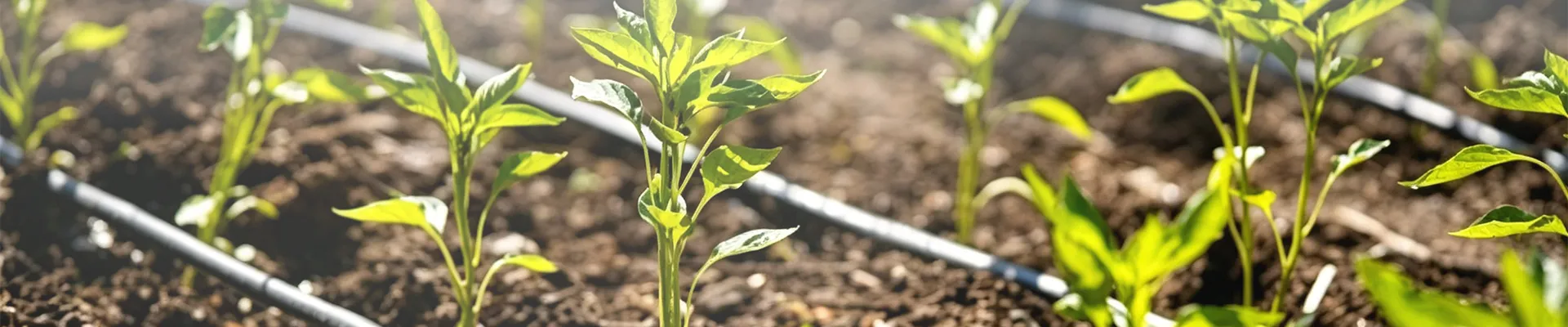
agricultural drip tape
Agricultural drip tape is a highly efficient micro-irrigation product designed to deliver water directly to the root zone of crops in a controlled and uniform manner. It is widely used in modern agriculture because it helps conserve water, improve crop growth, and reduce labor costs. Compared with traditional flood irrigation or sprinkler systems, drip tape provides a more precise watering method that minimizes evaporation, runoff, and water waste.Drip tape is typically made from durable polyethylene material and has a flat, thin-walled structure. When not filled with water, it lies flat and is easy to roll out, transport, and install across large fields. Once pressurized, the tape expands into a tube and allows water to pass through tiny emitters or drip outlets spaced at regular intervals. These outlets release water slowly and evenly, ensuring that each plant receives the amount of moisture it needs. The spacing of the emitters can vary depending on crop type, soil conditions, and irrigation requirements.One of the main advantages of agricultural drip tape is its ability to improve water use efficiency. Because water is applied directly to the soil near plant roots, much less is lost to evaporation or deep percolation. This is especially valuable in dry regions or areas with limited water resources. In addition, drip tape helps maintain more stable soil moisture levels, which supports healthier root development and more consistent crop yields. It also reduces weed growth by limiting water distribution to only the cultivated area rather than the entire field.Another important benefit is fertilizer efficiency. Drip tape can be used with fertigation systems, which means nutrients are delivered through the irrigation line along with water. This allows farmers to apply fertilizer more accurately, reducing nutrient loss and improving absorption by crops. As a result, plants can grow more vigorously while environmental contamination is minimized.Drip tape is suitable for a wide range of crops, including vegetables, fruits, corn, cotton, and row crops. It is especially effective for closely planted crops where uniform irrigation is essential. Farmers can choose different tape thicknesses, flow rates, and emitter spacing depending on the growing season, soil type, and irrigation duration. Thicker tape is often preferred for longer use or rougher field conditions, while thinner tape may be used for seasonal planting.Installation and maintenance of drip tape are relatively simple. The tape is laid along planting rows and connected to a filtration and water supply system. Clean water filtration is important to prevent clogging of the emitters. Proper pressure regulation also helps ensure consistent performance across the entire irrigation line. With correct handling and storage, drip tape can provide reliable service throughout the growing season.Overall, agricultural drip tape is an effective and practical irrigation solution that supports sustainable farming. It saves water, improves fertilizer application, reduces labor, and helps increase crop productivity. As water scarcity and agricultural efficiency become more important, drip tape continues to play a significant role in modern farming practices.
Products
Category:
No search results found!
News
Category:
No search results found!
Case
Category:
No search results found!
Video
Category:
No search results found!
Download
Category:
No search results found!
Job
Category:
No search results found!
Featured Products
No search results found!




 WhatsApp
 Phone
Phone