Harsh environments—characterized by saline soil, acidic water, extreme temperatures, and chemical exposure—pose significant challenges to traditional irrigation systems, often leading to premature corrosion, clogging, and system failure. For growers operating in coastal areas, arid regions, or industrial zones, corrosion resistant
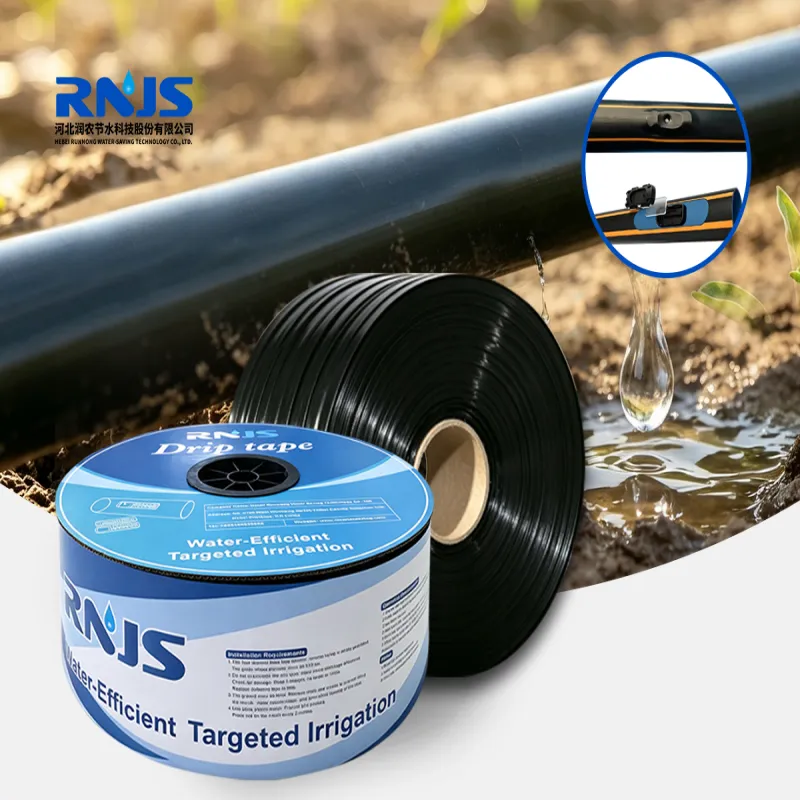
Drip Tape emerges as a lifesaver, offering long-lasting performance and reliable water delivery even in the most unforgiving conditions. Unlike standard drip tape that deteriorates quickly under harsh stressors,
corrosion resistant drip tape is engineered with specialized materials and designs to withstand corrosion, ensuring consistent irrigation and reducing replacement costs over time.
Corrosion resistant drip tape is specifically designed to combat the two main types of corrosion that plague irrigation systems in harsh environments: chemical corrosion and environmental corrosion. Chemical corrosion occurs when the tape comes into contact with acidic or alkaline water, saline solutions, or agricultural chemicals (such as fertilizers and pesticides). Environmental corrosion, on the other hand, is caused by extreme temperatures, UV radiation, and high humidity—common in deserts, coastal areas, and tropical regions. This specialized drip tape addresses both issues through advanced material selection and structural optimization, making it the go-to choice for harsh environment irrigation.
The key to the durability of corrosion resistant drip tape lies in its construction materials. High-quality models are made from corrosion-resistant polymers, such as reinforced polyethylene (PE), ethylene-vinyl acetate (EVA), or polyvinyl chloride (PVC) with anti-corrosion additives. These materials are inherently resistant to chemical degradation, saltwater, and acidic/alkaline substances, preventing the tape from breaking down or developing leaks. Additionally, many corrosion resistant drip tapes feature a protective coating or layer that acts as a barrier against UV radiation and physical wear, further enhancing their lifespan in harsh environments.
Another critical feature of corrosion resistant drip tape for harsh environments is its anti-clogging design. In harsh conditions, water often contains high levels of sediment, salt, or mineral deposits that can clog standard drip tape emitters. Corrosion resistant models address this with wide-channel emitters, self-cleaning mechanisms, and large inlets that flush out debris during irrigation. This not only prevents clogging but also reduces the risk of corrosion caused by trapped debris, ensuring consistent water flow even in water sources with poor quality.
One of the most significant advantages of corrosion resistant drip tape is its long service life in harsh environments. While standard drip tape may last 1-2 growing seasons in saline or acidic conditions, corrosion resistant models can last 5-10 years or more, depending on the material and environment. This longevity translates to significant cost savings, as growers don’t need to replace the tape annually. It also reduces labor costs associated with frequent installation and maintenance, making it a cost-effective solution for long-term irrigation in harsh areas.
Corrosion resistant drip tape is highly versatile and suitable for a wide range of harsh environment applications. It excels in coastal agricultural areas where saltwater intrusion contaminates irrigation water, as well as in arid regions with high levels of mineral deposits in the soil. It’s also ideal for industrial farms that use chemical fertilizers or pesticides, as well as greenhouses with controlled environments that may have high humidity or chemical exposure. Whether used for row crops, orchards, vineyards, or landscaping, this drip tape delivers reliable performance in even the toughest conditions.
When selecting corrosion resistant drip tape for a harsh environment, several key factors should be considered. First, choose the right material: reinforced PE or EVA is ideal for saltwater and chemical exposure, while UV-resistant coatings are essential for areas with intense sunlight. Second, check the corrosion resistance rating—look for products tested to withstand specific harsh conditions, such as saline water or acidic soil. Additionally, consider the wall thickness and emitter design: thicker walls offer greater durability, while anti-clogging emitters ensure consistent flow in poor water quality.




 Español
 Portugues
 Pусский
 العربية



 WhatsApp
 Phone
Phone
Comment
(0)